AI-Generated Food Photos are Causing Concern in Japan
Japan has long maintained some of the most stringent standards in the world when it comes to food advertising. Under the Act Against Unjustifiable Premiums and Misleading Representations, businesses are prohibited from depicting food products in ways that materially differ from what a customer actually receives. Traditionally, this meant that food photographers and stylists worked within tight constraints to ensure that promotional images reflected the real product as closely as possible.
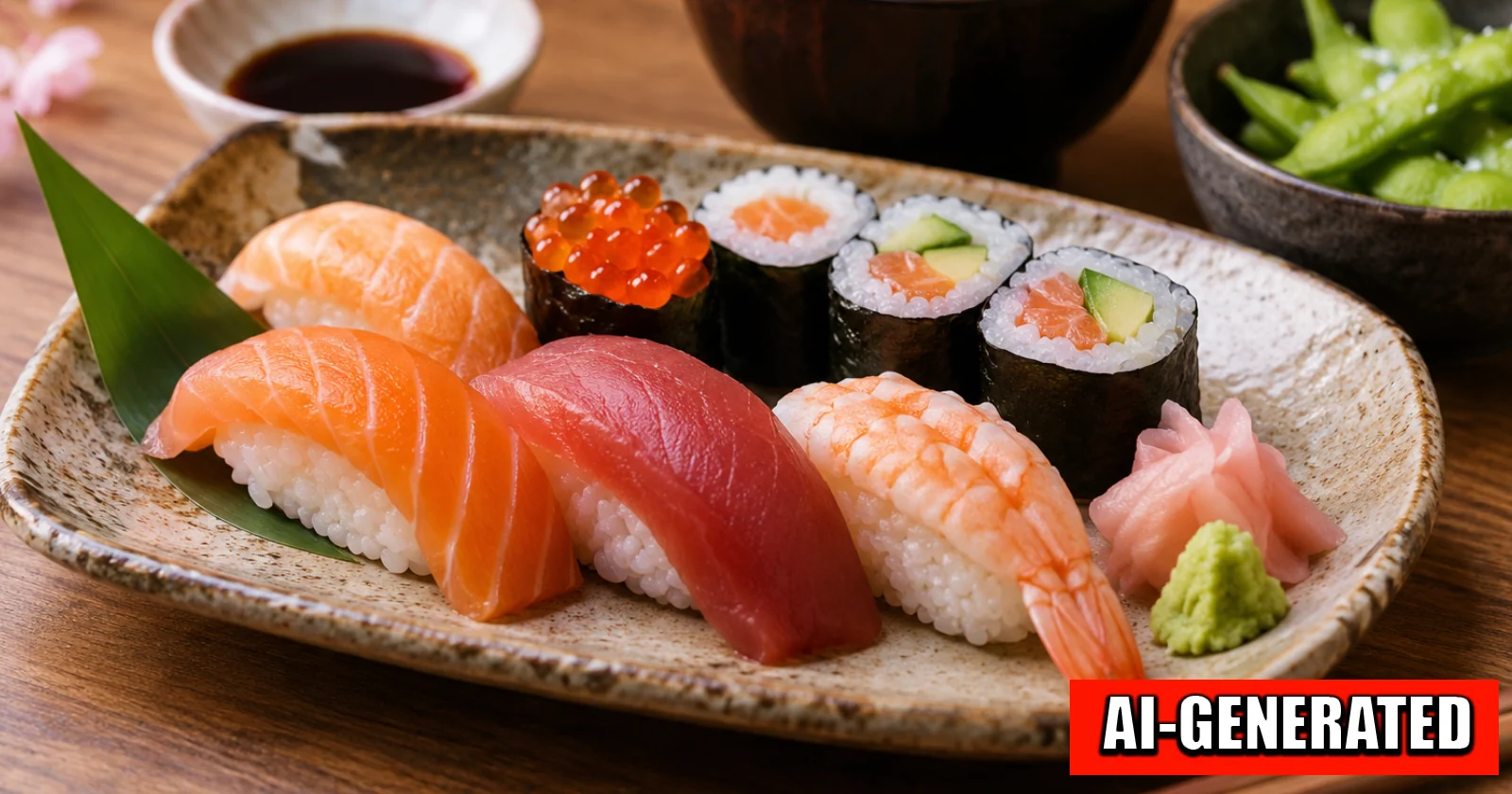
The growing accessibility of generative AI image tools is now putting pressure on that framework. Food brands and restaurants - particularly smaller operators who cannot afford professional photography - are using AI to produce images of dishes that may never have been plated or even prepared in the way shown. The concern is not simply aesthetic. If a customer orders a dish expecting it to resemble an AI-generated image, the gap between expectation and reality could constitute the kind of misleading representation that Japanese law is designed to prevent.
The issue is complicated by the fact that existing regulations were written with conventional photography and manual retouching in mind. AI-generated images occupy an ambiguous space - they are not photographs of real food, but they are also not traditional illustrations, which have historically been treated with more creative latitude. It remains unclear whether current law fully covers synthetic imagery, and no major enforcement actions related to AI food photos appear to have been taken yet.
For professional food photographers in Japan, the trend carries additional weight. The country has a well-established culture of meticulous food presentation and equally meticulous food photography, with some practitioners spending hours arranging a single shot. AI tools threaten to undercut that market, while simultaneously raising the broader question of what counts as an honest representation of a product. How Japan's Consumer Affairs Agency and courts ultimately interpret the existing rules - or whether new guidance will be issued - could have implications well beyond the food industry.