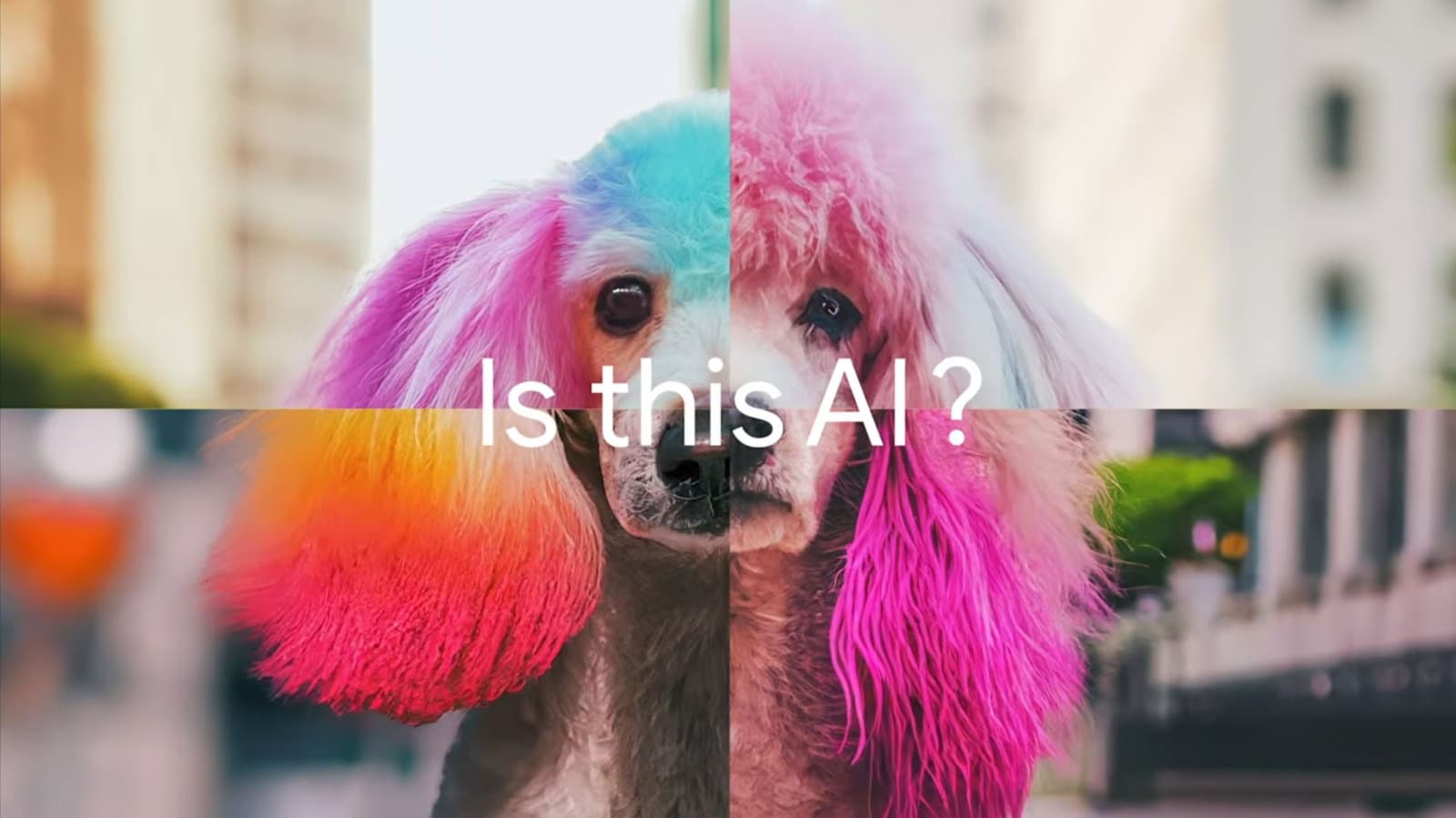
Canva releases its first image generation model
Canva has released its first in-house image generation model, marking a notable shift for a company that has until now depended on external providers - such as Stable Diffusion-based tools and integrations with partners like OpenAI and Adobe Firefly - to power its AI image features. The model is available to all Canva users, meaning it is not limited to paid tiers at launch.
The move positions Canva more directly in the competitive landscape of generative image tools, where companies like Adobe, Google, and a range of AI-native startups have been developing and iterating on their own foundation models. By owning its image generation stack, Canva gains greater control over quality, speed, and how the model can be tuned for specific use cases - advantages that are harder to achieve when routing requests through a third party.
Canva is emphasizing two main selling points: customizability and cost. On the customization side, a proprietary model allows Canva to tailor outputs more closely to the design contexts its users work in - presentations, social graphics, marketing materials - rather than optimizing for general-purpose image generation. On cost, building and serving its own model can reduce the per-query fees associated with licensing access to external providers, which at Canva's scale of hundreds of millions of users represents a significant operational consideration.
The release also fits into a broader pattern among large creative software platforms seeking to reduce dependency on AI vendors and bring core capabilities in-house. Whether Canva's model can match the output quality of dedicated image generation systems remains to be seen, but for the majority of its users - who prioritize speed and ease of use over fine-grained control - a well-integrated native model may prove more than sufficient.