gen‑ai.news
← Back
Image

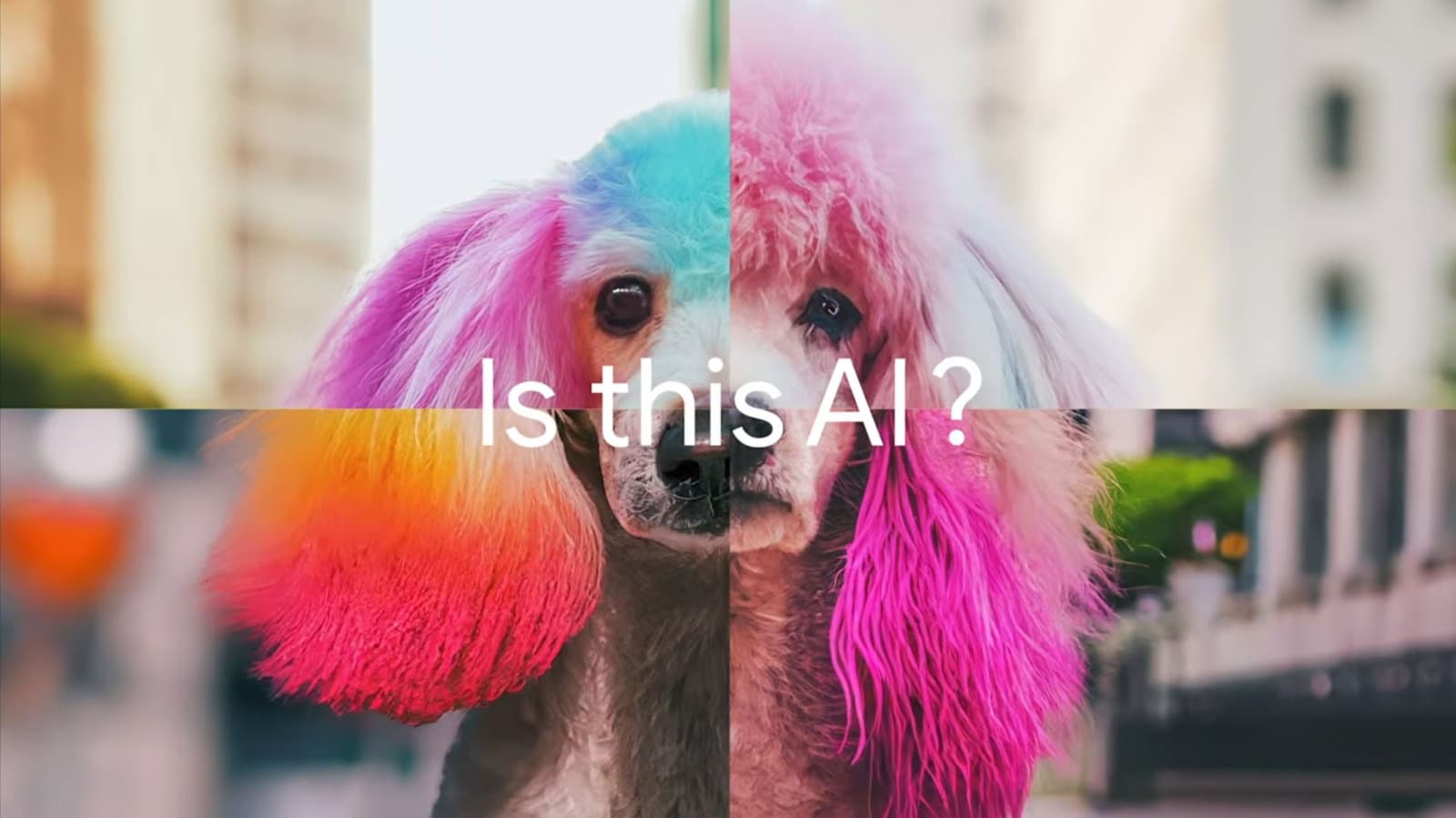
Google Opens SynthID AI Detection to the Public
Google Opens SynthID AI Detection to the Public

Google's SynthID, previously available primarily as a developer-facing API and embedded in its own products, now has a standalone public website where users can upload an image and receive a read on whether it carries AI generation or manipulation markers. The interface is straightforward - upload, check, read the result - and requires no account or technical setup.

The core mechanism relies on watermarks that Google's image generation tools embed at the point of creation. SynthID can read those watermarks even after common post-processing steps like compression, cropping, and colour adjustment, which has been one of the system's technical selling points since its introduction. The limitation, as Engadget notes, is that SynthID can only reliably detect images that passed through Google's own generation pipeline. Images produced by other tools - Midjourney, Stable Diffusion, DALL-E, Kling, and others - will not carry SynthID watermarks and may not be flagged.

That caveat matters in practice, since the public-facing tool could give a false sense of reassurance if a user interprets a clean result as confirmation that an image is authentic rather than simply as confirmation that it was not made with Google's tools. The site reportedly acknowledges this distinction, though how clearly it is communicated to non-technical users is worth watching.

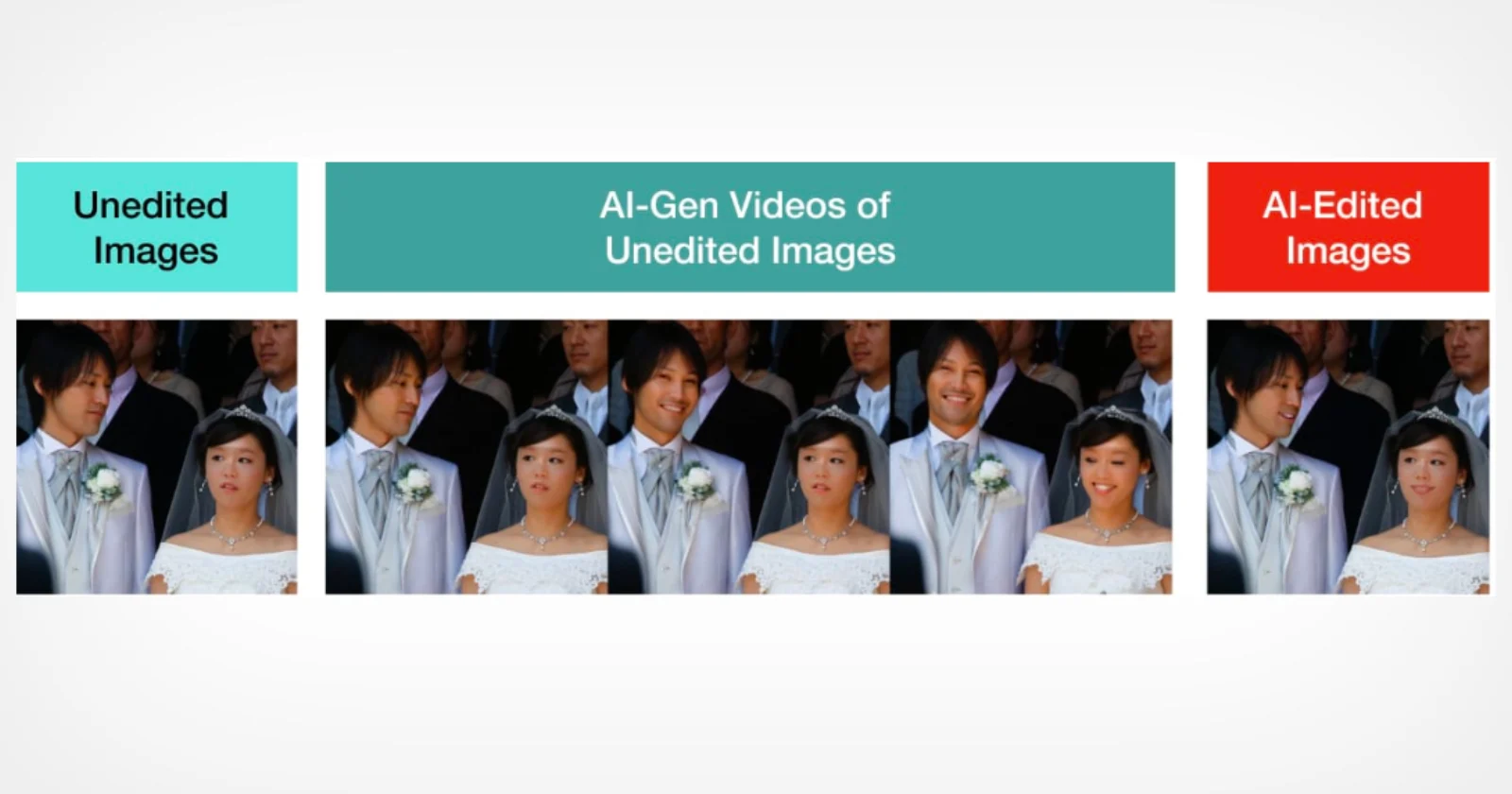
The launch comes shortly after research published this week found that AI-edited images cause people to form false memories with high confidence, which sharpens the practical argument for accessible detection tools regardless of their current coverage gaps.

Read at Engadget →
Share:X

Enjoy this story? Get the next one in your inbox.

Twice a week: the most important stories in generative image and video AI, distilled into a 2-minute read.

Free. Unsubscribe any time. No spam, ever.

Your next read

Food Delivery App Apologizes for AI-Generated Menu Photos Showing Bacon Floating in Soda
Image

Food Delivery App Apologizes for AI-Generated Menu Photos Showing Bacon Floating in Soda

Food delivery platform Just Eat has issued an apology after AI-generated menu images appeared on its app showing clearly inaccurate food pairings - including bacon and eggs suspended in a fizzy drink. The incident has drawn attention to the risks of deploying generative image tools in contexts where visual accuracy directly affects consumer trust. Just Eat has not yet detailed the specific process that allowed the images to go live.

Adobe Lightroom mobile can now open closed eyes in photos with a simple tap
Image

Adobe Lightroom mobile can now open closed eyes in photos with a simple tap

Adobe has added a generative AI tool to Lightroom on iOS, iPadOS, and Android that can open closed eyes in photos with a single tap. When the app detects closed eyes, it surfaces an Open Eyes Quick Action directly over the image for quick access. Unlike older approaches to the same problem, this feature relies on generative AI rather than borrowing replacement eyes from a separate photo.

AI-Edited Photos Can Lead People to Form False Memories
Image

AI-Edited Photos Can Lead People to Form False Memories

New research finds that AI-edited photos and videos can cause people to form false memories of events - and that exposure to manipulated imagery tends to make viewers more confident in those incorrect recollections. The findings raise fresh concerns about the psychological impact of AI-generated and AI-altered visual media as it becomes increasingly difficult to distinguish from authentic footage.