Food Delivery App Apologizes for AI-Generated Menu Photos Showing Bacon Floating in Soda
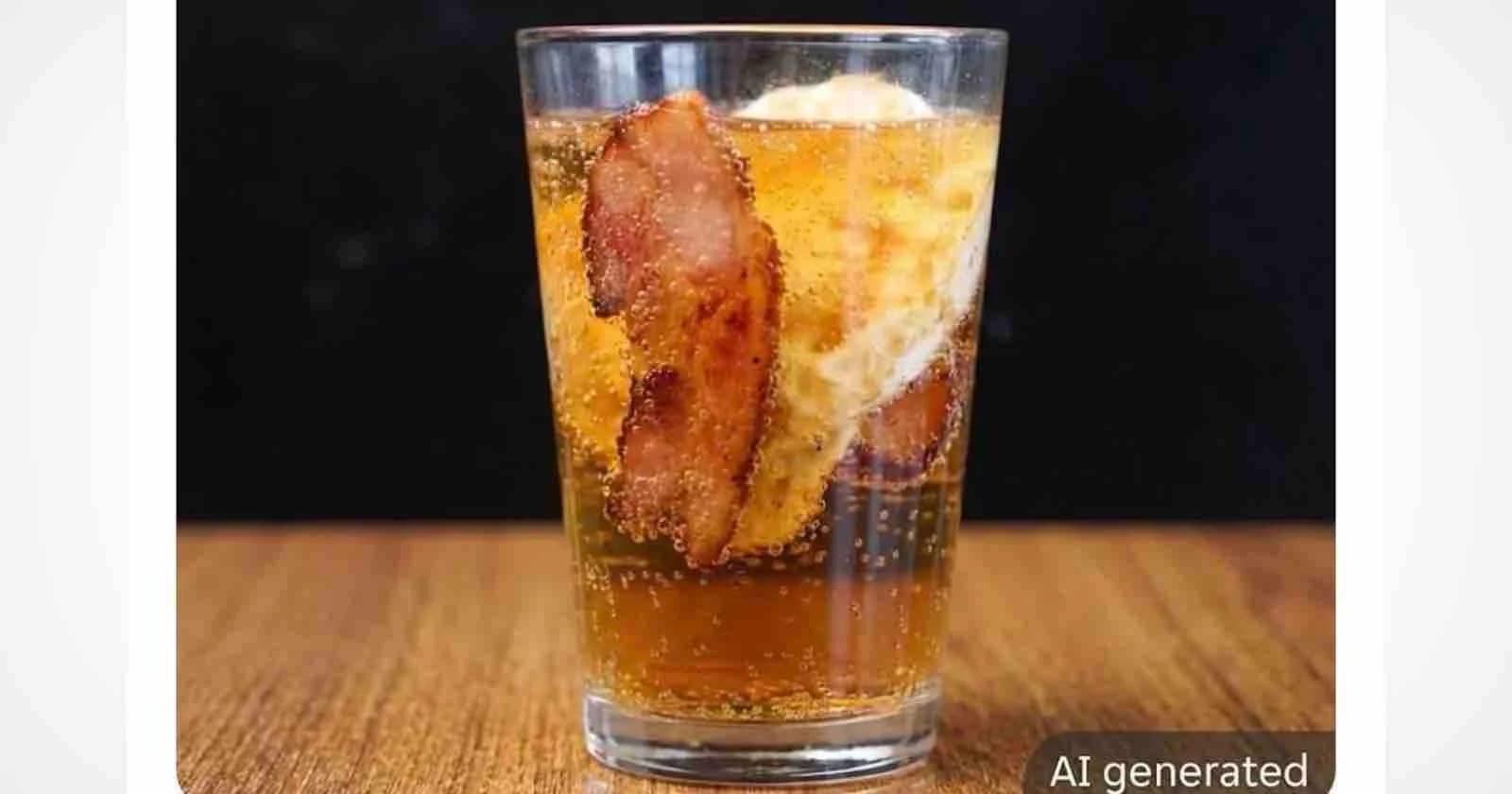
Just Eat, one of Europe's larger food delivery platforms, has apologized after a number of AI-generated menu photos surfaced on its app containing obvious visual errors. The most widely circulated example showed bacon and eggs floating inside what appeared to be a glass of soda - a combination that no restaurant on the platform actually serves. The images appear to have been generated to fill gaps in restaurant menu listings, a common use case for generative image tools in the food delivery industry.
The incident highlights a practical tension that has been building as delivery platforms adopt AI image generation to reduce the cost and friction of populating menus with photos. Restaurants, particularly smaller ones, often lack professional food photography, and generated images can serve as a low-cost substitute. The tradeoff is accuracy - generative models can produce visually plausible but contextually wrong results, and without careful human review, those errors can reach users directly.
Just Eat has not publicly detailed the review process - or lack thereof - that allowed the images to pass through to the live app. It is unclear whether the images were generated automatically and published without manual checks, or whether a review step failed to catch the errors. Either way, the case is a practical example of why human oversight remains important when generated content is tied to something as specific and consequential as a food order.
The broader food delivery sector has been cautiously exploring AI-generated imagery for some time, and Just Eat is not alone in testing the approach. What sets this incident apart is the visibility of the failure - bacon floating in a soda is not a subtle artifact but a clear compositional error that raises questions about quality control pipelines. For platforms weighing the efficiency gains of automated image generation against reputational risk, this episode offers a concrete data point on what can go wrong when that balance tips too far toward automation.