Databricks’ former AI chief thinks he can cut AI’s power bill by 1,000x
Databricks' former chief AI officer has stepped away from the data analytics giant to found a new startup centered on one of the industry's most pressing problems: the surging electricity consumption of large-scale AI workloads. The venture is making the ambitious claim that its architecture can deliver equivalent AI performance at roughly one-thousandth the energy cost of today's standard approaches.
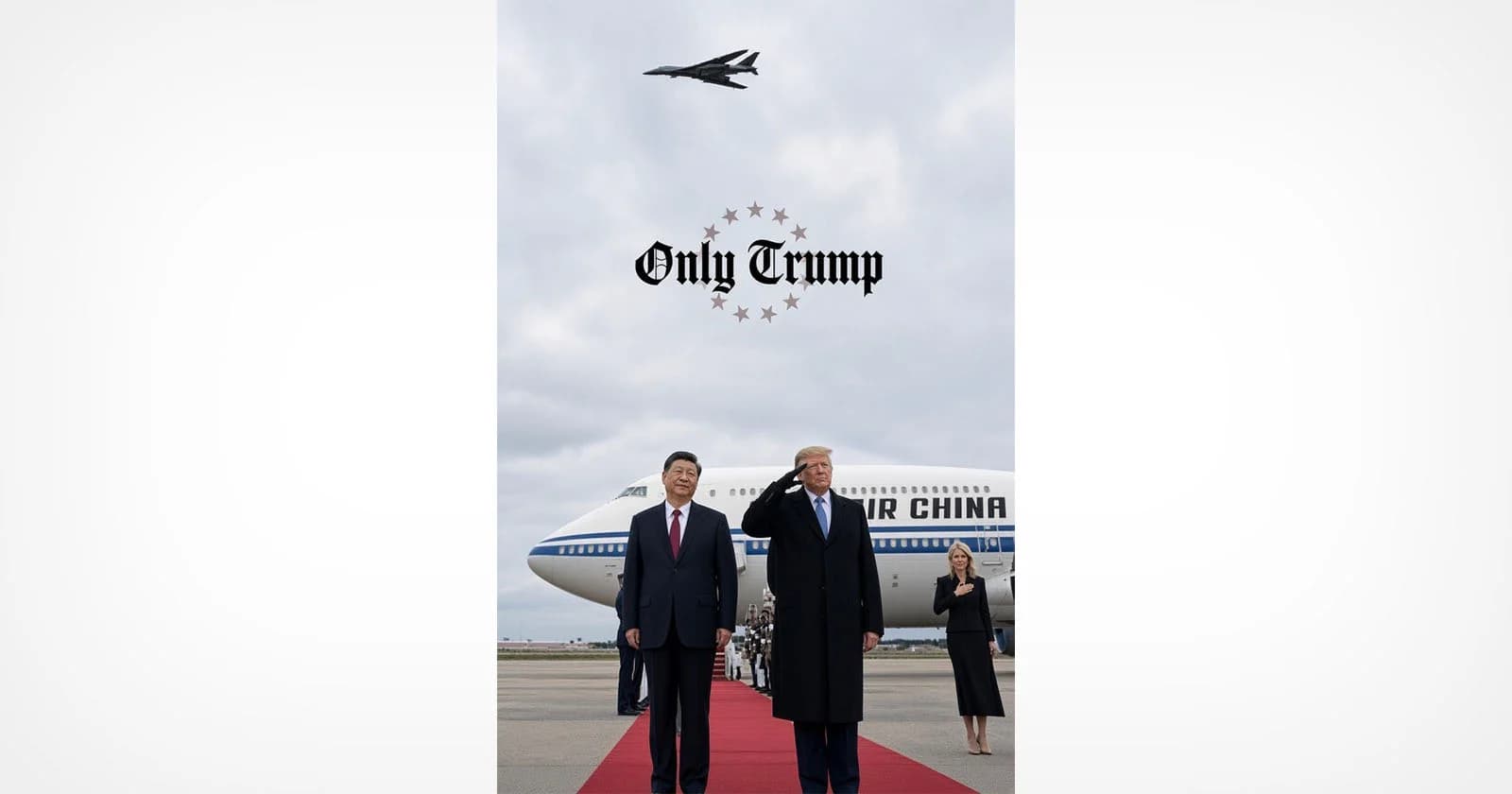
The company's first concrete demonstration of that claim comes in the form of Un-0, an image-generation system designed to replicate the quality and behavior of conventional generative image models. Rather than being a consumer product in its own right, Un-0 is positioned as a proof of concept - a way for the startup to show publicly that its efficiency-focused technology is not purely theoretical and can produce results comparable to existing systems.
The broader context matters here. Generative AI, and image synthesis in particular, is computationally intensive. Running inference on large diffusion or autoregressive models requires substantial GPU resources, and the power draw of the data centers supporting these workloads has become a genuine concern for grid operators, cloud providers, and enterprises alike. Any credible path to dramatically lower inference costs - whether through new hardware, novel model architectures, or algorithmic improvements - would be of considerable interest across the industry.
Details on exactly how the startup achieves its claimed efficiency gains have not been fully disclosed, which means independent verification remains the critical next step. Extraordinary efficiency claims in AI have a mixed track record, and the gap between benchmark conditions and real-world deployment can be wide. Still, the founding pedigree and the choice to lead with a working demonstration rather than slides alone gives the announcement a degree of seriousness worth watching. Further technical disclosure will determine whether the 1,000x figure is a realistic operating target or a best-case ceiling.