gen‑ai.news
← Back
Image

Edit Model for V8

Edit Model for V8

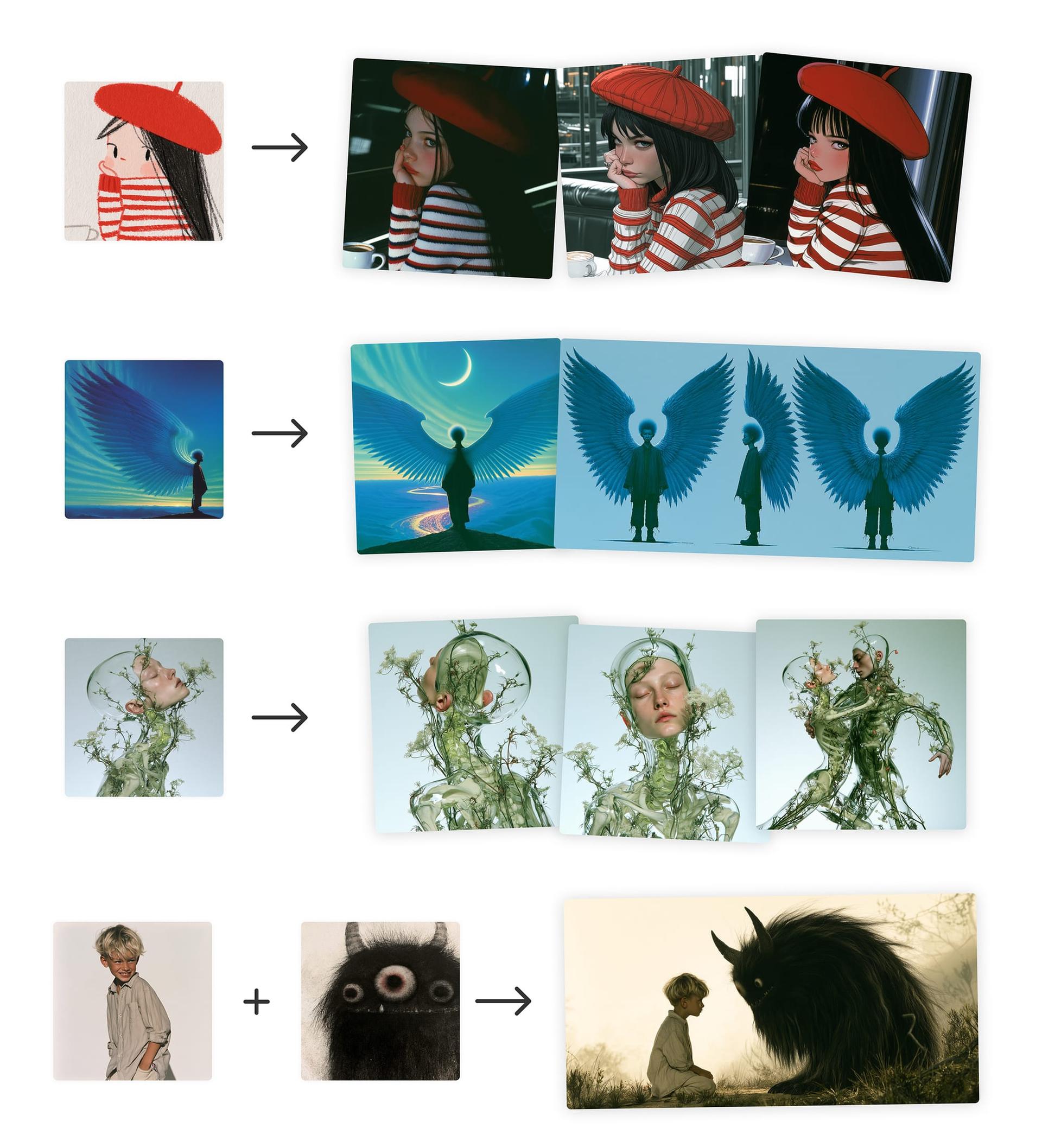
Midjourney is opening up testing of a new edit model built specifically for its V8 pipeline, currently labeled V8.2. The rollout is available to all users, positioning it as a broad public test rather than a limited alpha. The model is designed to bring several image manipulation capabilities into one unified system tied to Midjourney's latest generation quality.

The core features include instruction-based image editing, where users can describe changes in plain language and have the model apply them to an existing image. Also included is a multi-image reference mode that replaces the older omni-reference feature - users can now supply up to four separate reference images at once to guide generation. The third capability is inpainting, which allows targeted edits to specific regions of an image while leaving the rest intact.

Bundling these tools under the V8 model matters because editing quality is closely tied to the underlying generation model. Earlier editing features in Midjourney were built on older model versions, which could mean inconsistencies between freshly generated images and edited ones. Aligning the edit model with V8 should bring more coherent results, particularly for users who want to iterate on V8 outputs without a visible quality gap.

The move also signals that Midjourney is working to close the gap with other platforms that have offered robust in-image editing for some time. With up to four reference inputs and inpainting now available alongside text-driven edits, the V8.2 edit model gives users a more complete toolkit for post-generation work. As this is still a test phase, further refinements to the model are expected based on user feedback.

Enjoy this story? Get the next one in your inbox.

Twice a week: the most important stories in generative image and video AI, distilled into a 2-minute read.

Free. Unsubscribe any time. No spam, ever.

Your next read

Image

inclusionAI releases Ming-Image-0.2-Design open weights on Hugging Face

inclusionAI has released Ming-Image-0.2-Design as open weights on Hugging Face under an MIT license, positioning it as an upgrade to its previous design-focused text-to-image model. The release targets practical design workflows, including e-commerce imagery, UI drafts, and spatial renderings. Early evaluation results from late November place Ming at the top of the open-weight text-to-image leaderboard.

New York Times Warns Photographers Away from Photoshop 2027 Over AI Metadata
Image

New York Times Warns Photographers Away from Photoshop 2027 Over AI Metadata

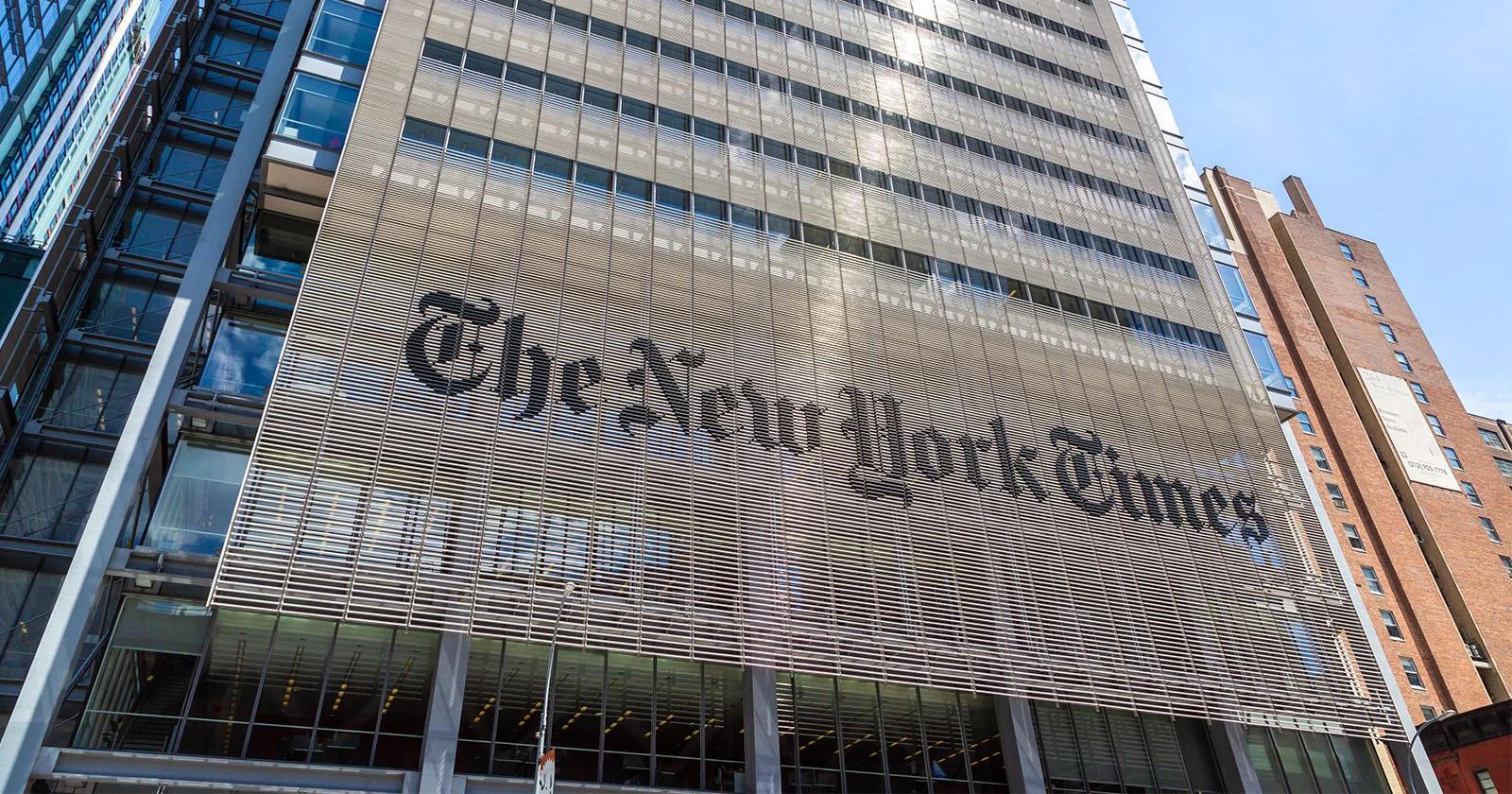
The New York Times has told freelance photographers not to install the latest version of Adobe Photoshop because its new AI features can silently tag photos as AI-generated in their metadata. The directive, sent by the paper's photography leadership, reflects growing concern in photojournalism about AI tools that alter images in ways that may not be visible to editors reviewing the work.

New York Times Prohibits Photographers From Using Photoshop 2027
Image

New York Times Prohibits Photographers From Using Photoshop 2027

Adobe's Photoshop 2027 release brought a significant expansion of AI-powered editing tools to the application, prompting at least one major news organization to draw a firm line. The New York Times has announced it will prohibit its photographers from using Photoshop 2027, citing concerns over the integrity of photojournalism in an era of generative AI. The move reflects a growing tension between professional image editing tools and the editorial standards of news organizations.