gen‑ai.news
← Back
Image

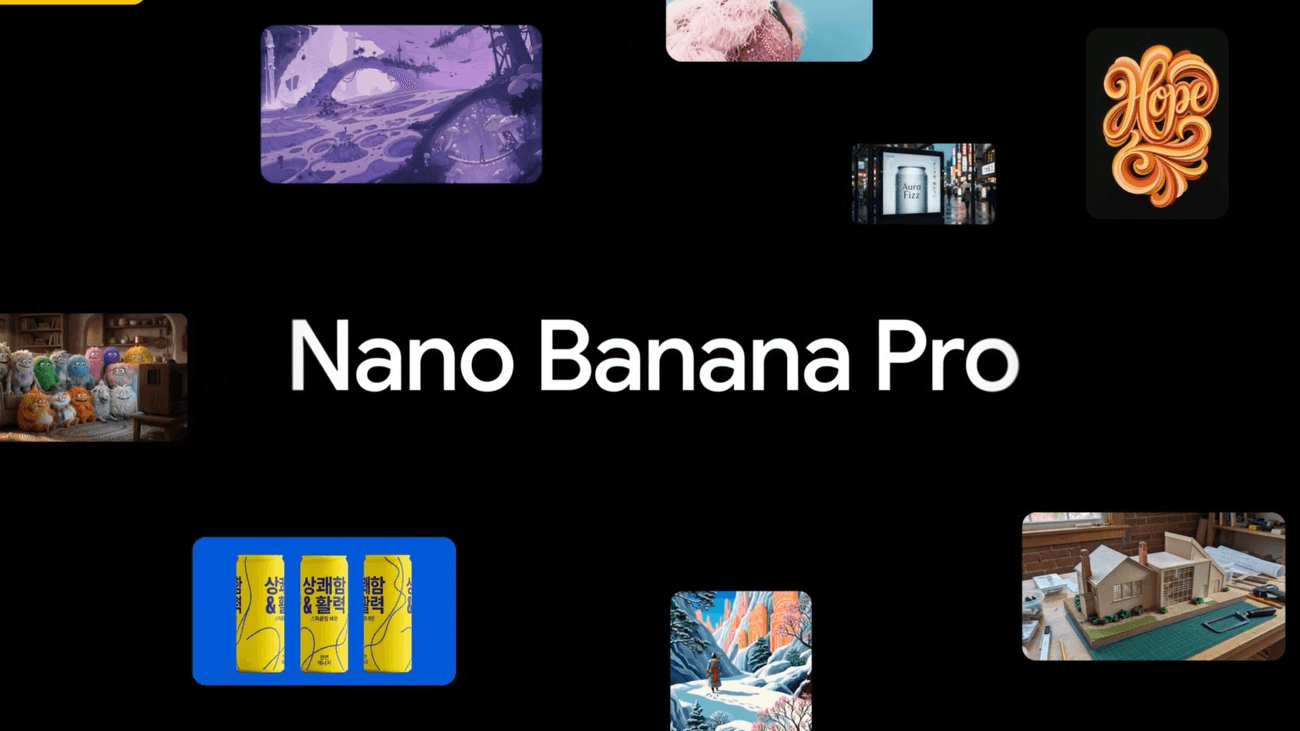
Google is preparing Nano Banana 3 Pro upgrade
Google is preparing Nano Banana 3 Pro upgrade

Code references discovered by TestingCatalog suggest that Google is quietly developing a new image generation model internally dubbed GemPix 3 Pro. The references indicate the model is built on Gemini 4 Argon, which would make it part of Google's next generation of foundation models. The trail leads to what is expected to become Nano Banana 3 Pro, an upgrade to Google's existing Nano Banana line.

Nano Banana is Google's branding for on-device AI experiences, typically optimized to run efficiently on Pixel hardware without relying entirely on cloud processing. A "Pro" tier within that line suggests Google is aiming to push the quality ceiling for locally run image capabilities, potentially bringing more detailed or higher-fidelity outputs to supported devices.

GemPix, as a naming pattern, appears to be Google's internal label for Gemini-based image models - a counterpart to the text-focused Gemini variants. If GemPix 3 Pro is indeed grounded in Gemini 4 Argon, it would represent a meaningful step up from whatever architecture currently underpins image generation in the Nano Banana 2 generation, inheriting improvements in reasoning and multimodal understanding from the broader Gemini 4 family.

No release timeline or feature specifics have been confirmed by Google. Findings like these, surfaced through app teardowns and early code analysis, often precede official announcements by weeks or months - and do not always result in a public launch in the exact form described. Still, the breadcrumbs point to Google continuing to invest in on-device generative image capabilities, an area where competitors like Apple and Qualcomm are also making steady progress.


Enjoy this story? Get the next one in your inbox.

Twice a week: the most important stories in generative image and video AI, distilled into a 2-minute read.

Free. Unsubscribe any time. No spam, ever.

Your next read

Image

inclusionAI releases Ming-Image-0.2-Design open weights on Hugging Face

inclusionAI has released Ming-Image-0.2-Design as open weights on Hugging Face under an MIT license, positioning it as an upgrade to its previous design-focused text-to-image model. The release targets practical design workflows, including e-commerce imagery, UI drafts, and spatial renderings. Early evaluation results from late November place Ming at the top of the open-weight text-to-image leaderboard.

New York Times Warns Photographers Away from Photoshop 2027 Over AI Metadata
Image

New York Times Warns Photographers Away from Photoshop 2027 Over AI Metadata

The New York Times has told freelance photographers not to install the latest version of Adobe Photoshop because its new AI features can silently tag photos as AI-generated in their metadata. The directive, sent by the paper's photography leadership, reflects growing concern in photojournalism about AI tools that alter images in ways that may not be visible to editors reviewing the work.

New York Times Prohibits Photographers From Using Photoshop 2027
Image

New York Times Prohibits Photographers From Using Photoshop 2027

Adobe's Photoshop 2027 release brought a significant expansion of AI-powered editing tools to the application, prompting at least one major news organization to draw a firm line. The New York Times has announced it will prohibit its photographers from using Photoshop 2027, citing concerns over the integrity of photojournalism in an era of generative AI. The move reflects a growing tension between professional image editing tools and the editorial standards of news organizations.