Man Traumatized After Woman Uses His Photos for AI Social Media Posts Showing Fake Family Life

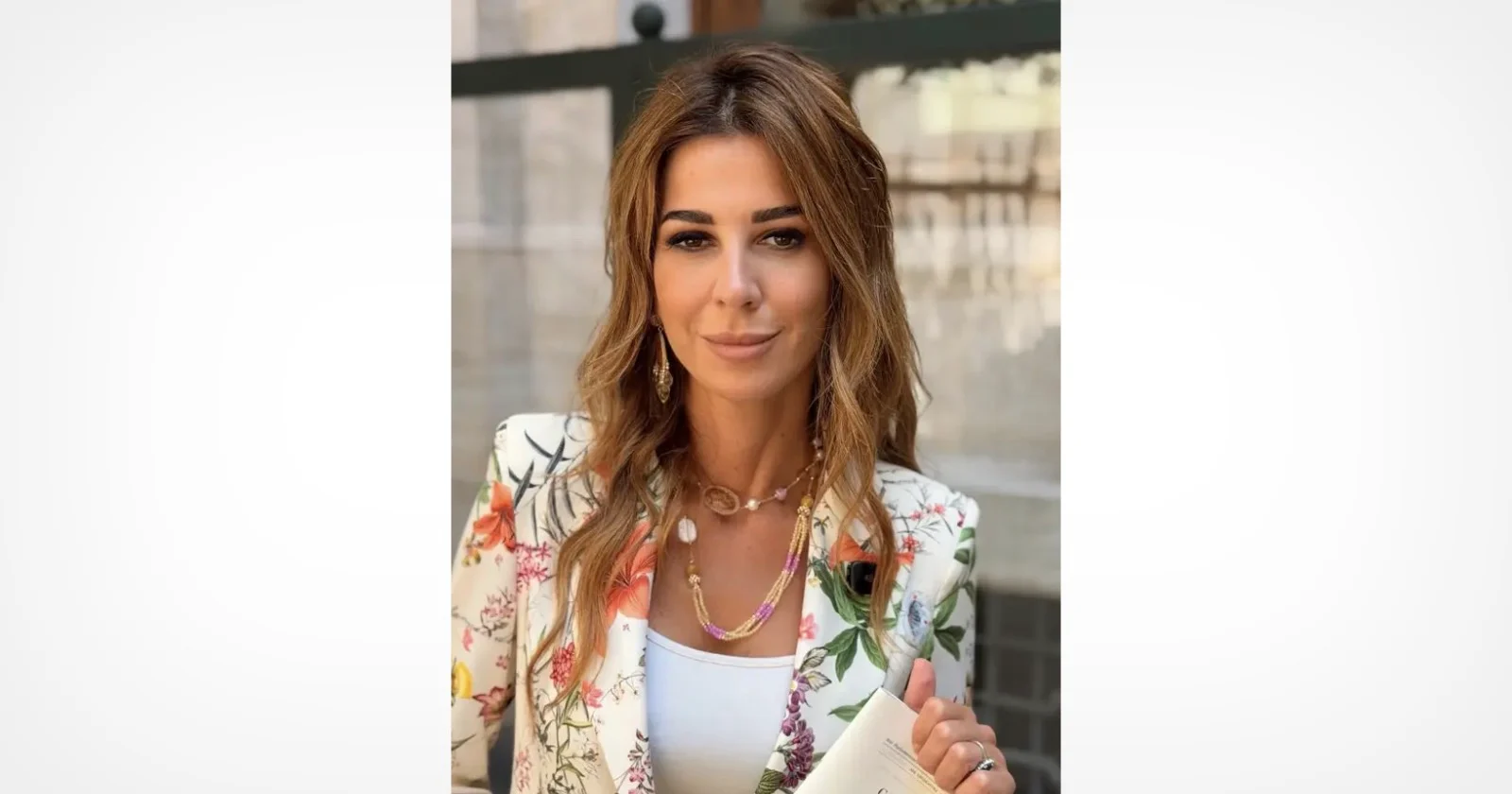
A man in Singapore was left shaken after learning that a woman he knew from school had been using photographs of him to create AI-generated social media content portraying a fictional domestic life - complete with fabricated family members and relationship scenarios. The discovery came as a serious personal violation, with the victim describing the experience as deeply distressing.
The case illustrates a growing and underreported misuse of generative image tools. While much of the public conversation around AI-generated imagery focuses on deepfakes in political or celebrity contexts, this incident shows how the same technology can be turned on ordinary individuals. The woman reportedly used publicly accessible photos of the man - the kind of images many people post without a second thought - as input to construct a convincing, ongoing false narrative.
Generative image models today require relatively little technical skill to operate, and many consumer-facing tools allow users to reference or blend real faces into new scenes with minimal friction. This accessibility, while useful for legitimate creative purposes, also lowers the barrier for misuse. Unlike traditional photo manipulation, AI-generated composites can be produced quickly and at scale, making it easier to sustain a prolonged deception across multiple posts and platforms.
Singapore has some of the more developed legal frameworks in Asia for dealing with online harms and identity-related offenses, and local authorities are reported to be looking into the matter. The incident adds weight to ongoing calls for clearer regulations around the use of real people's likenesses in AI-generated content, as well as stronger platform-level detection and reporting tools. For many observers, it underscores that the harms from generative image AI are not always dramatic or large-scale - sometimes they are quiet, personal, and deeply unsettling for the individuals caught in them.