Canva launches Craft image model with 2K output and API
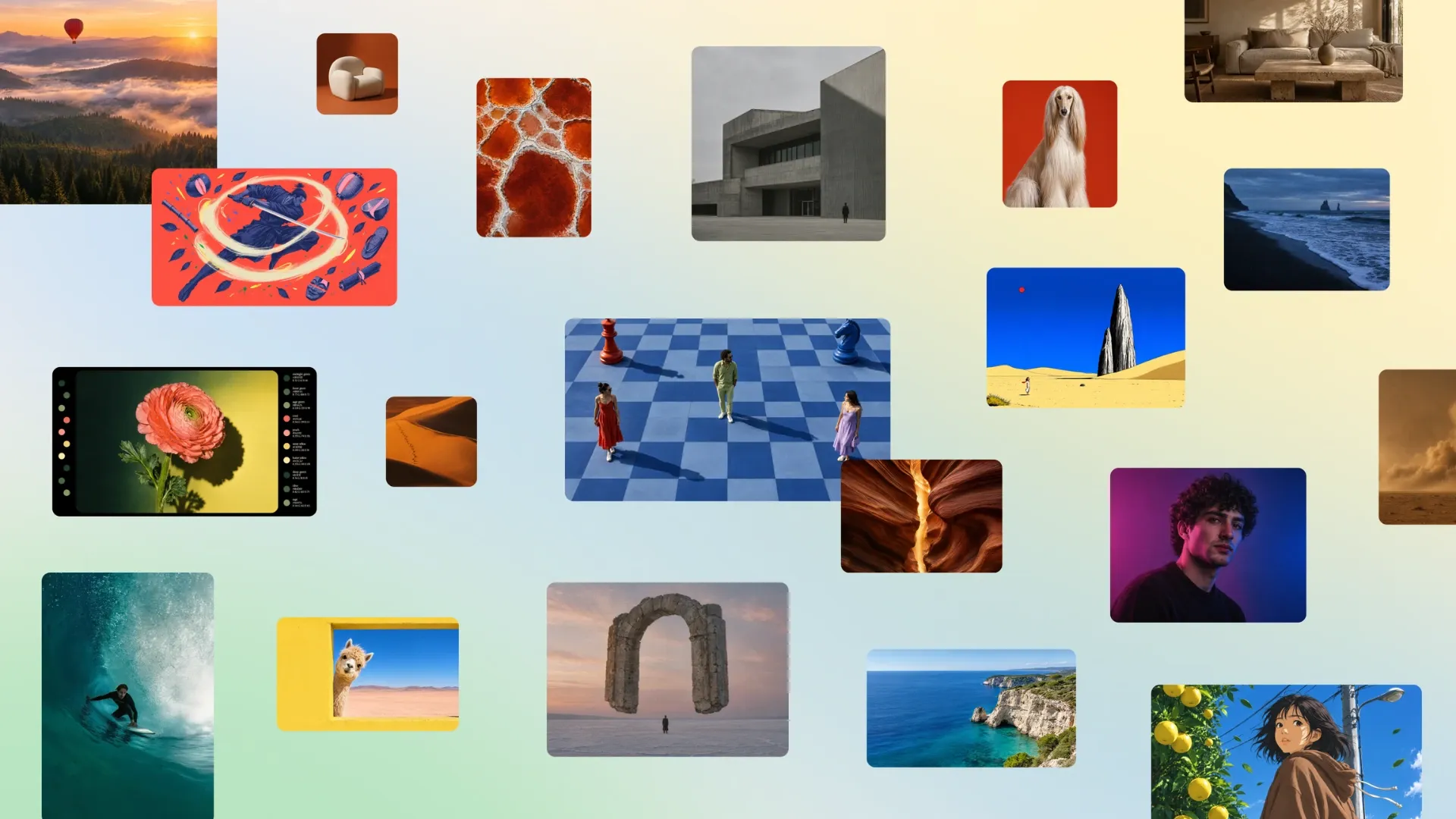
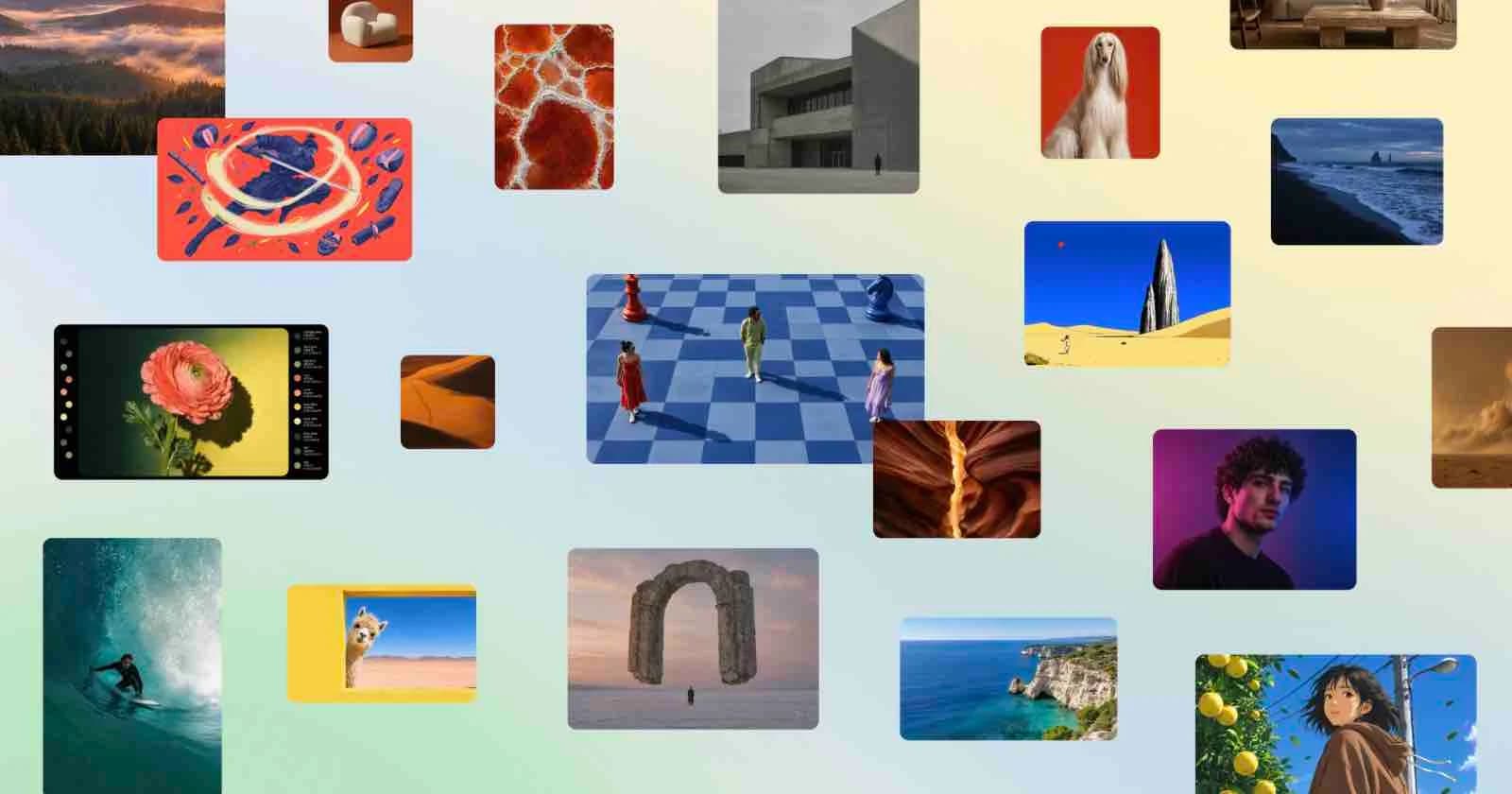
Canva has launched Craft, an in-house image generation model that outputs images at 2K resolution - a notable step up from the lower resolutions common among many consumer-facing generative tools. The model is available through Dream Lab, Canva's existing AI image generation feature, and is also exposed via a public API for developers and teams looking to integrate it into their own products or workflows.
One of Craft's more distinctive capabilities is its handling of text. The model supports text rendering in 55 languages, which addresses one of the more persistent weaknesses of generative image models - legible, accurate text within images. For a design-focused platform like Canva, where users regularly produce materials in multiple languages, this kind of built-in multilingual support has clear practical value.
Craft also emphasizes layout awareness and editable elements, suggesting the model is built with post-generation editing in mind rather than treating the output as a finished, static image. This fits Canva's broader product philosophy, where generated content is meant to serve as a starting point that users can refine within the platform's design tools. The combination of planned layouts and editability could make Craft more useful for producing templated or structured content - such as social posts, presentations, or marketing materials - compared to more freeform generative models.
The addition of a public API broadens Craft's potential reach beyond Canva's own interface. Businesses and developers can now access the model directly, which opens up use cases in automated content pipelines, custom design tools, and enterprise workflows. Canva has been steadily building out its AI capabilities over the past couple of years, and Craft represents a shift from relying primarily on third-party models toward offering a proprietary generation engine tuned for the platform's design-oriented user base.