Canva launches Craft, its first in-house image model
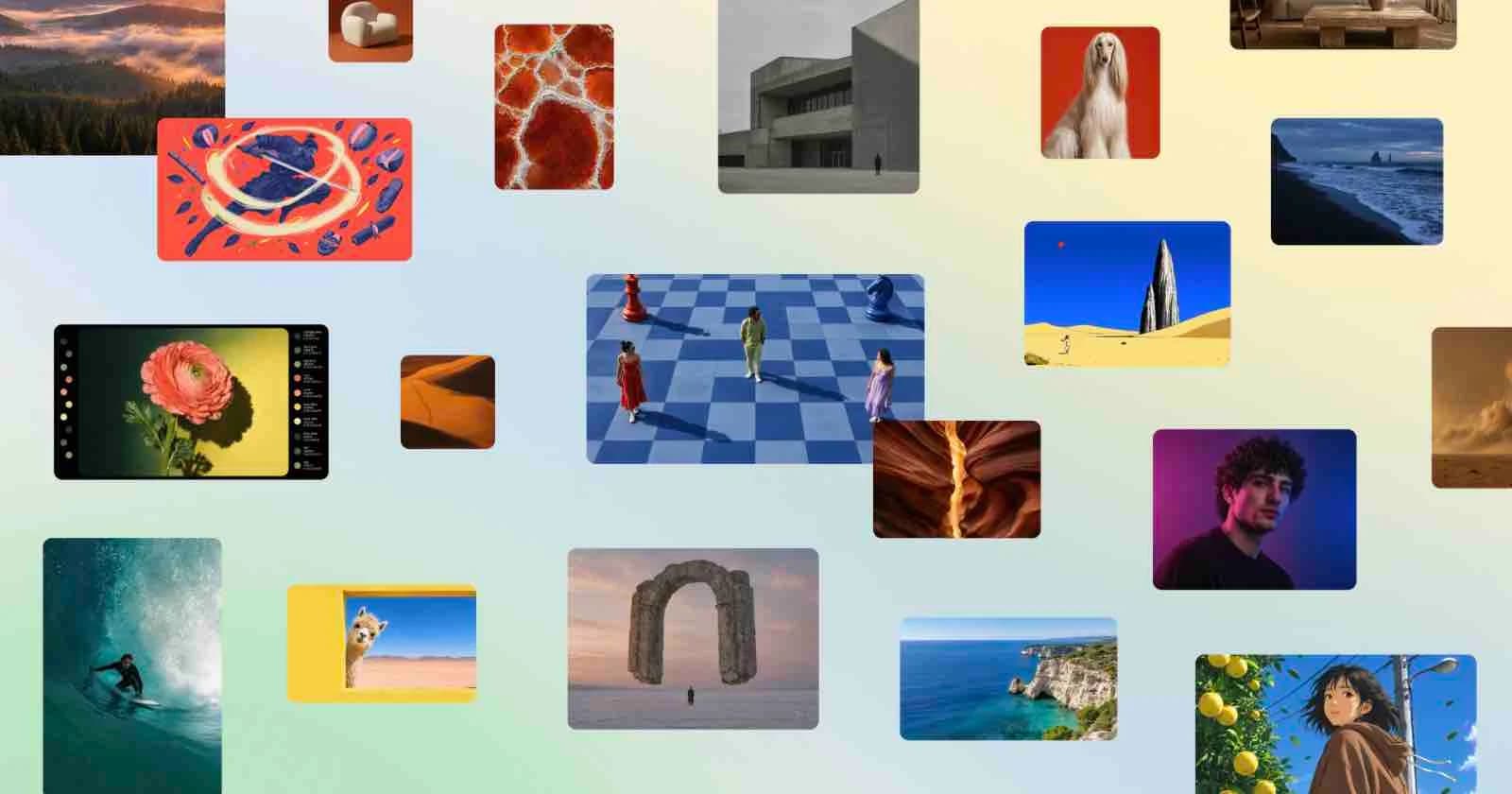
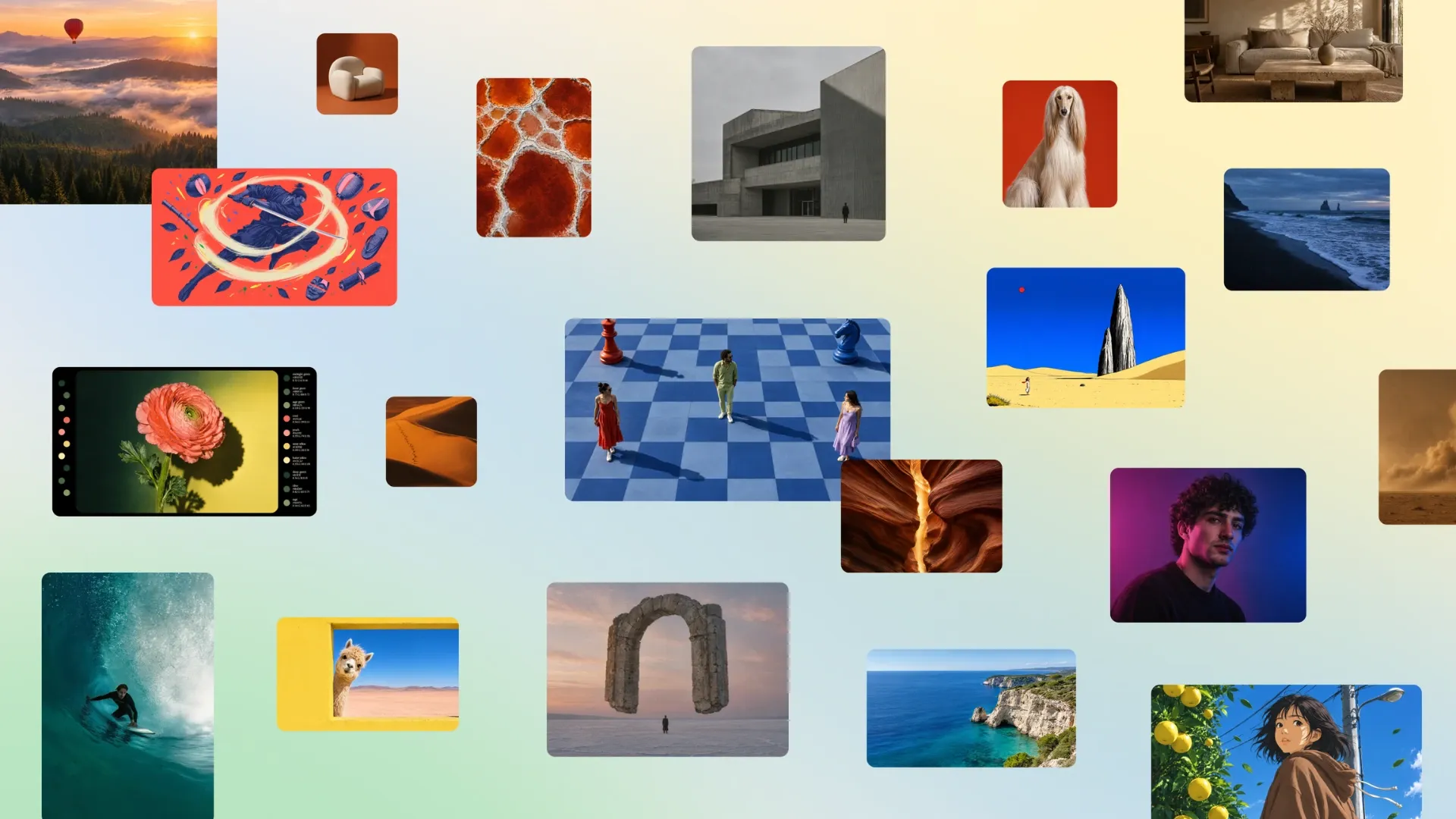
Canva has introduced Craft, its first proprietary image generation model, bringing AI image creation in-house for the first time. Until now, Canva has leaned on external providers - such as Stable Diffusion-based integrations and partnerships with other AI companies - to power its generative features. Developing its own model gives Canva direct control over quality, safety, and the direction of future improvements.
For users, Craft is designed to produce imagery that aligns closely with Canva's design-oriented context, meaning outputs are more likely to suit presentation slides, marketing materials, and social graphics straight out of the box. This kind of tight integration between a generative model and a specific platform is increasingly common as design and productivity tools seek to differentiate themselves beyond simply reselling access to generic foundation models.
The launch also reflects a broader trend among large software platforms investing in proprietary AI rather than remaining dependent on third-party APIs. Building in-house gives Canva the ability to fine-tune for its user base, manage costs at scale, and potentially train on platform-specific data to better serve what its tens of millions of users actually create. It also reduces exposure to pricing changes or availability shifts from external model providers.
Details on Craft's underlying architecture and training data have not been fully disclosed at this stage. As Canva's first in-house model, Craft is likely an early iteration, with further refinements expected as the company gathers feedback and scales usage across its platform. The release positions Canva as a more self-sufficient player in the generative AI space, rather than purely an application layer on top of others' technology.