Canva Releases AI Image Generator That Wasn’t Trained on Photographs

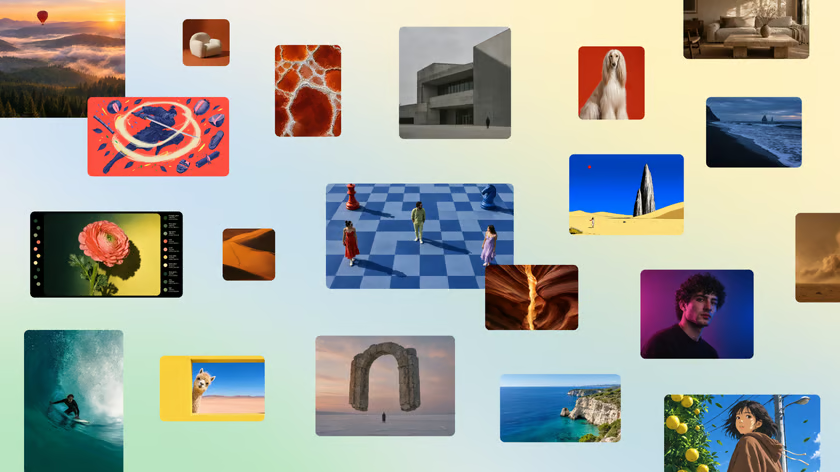
Canva has released its first proprietary AI image generation model, and its training data sets it apart from the crowded field of image generators. Where most models - Stable Diffusion, Midjourney, Adobe Firefly, and others - have been trained on large datasets of photographs and web-scraped imagery, Canva's model was built on design templates. The result is a generator oriented toward graphic design aesthetics rather than photorealism.
The choice of training data is significant for a few reasons. First, it aligns with what Canva's user base actually needs: social media graphics, presentations, posters, and marketing materials - not cinematic renders or photographic portraits. A model trained on design work is more likely to produce output that fits naturally into those contexts without requiring heavy post-editing.
Second, training on templates rather than photographs carries different legal and ethical weight. The ongoing debate over whether AI companies had the right to train on copyrighted photographs without licensing or consent has led to lawsuits and reputational friction for several model makers. By grounding its model in Canva's own template library - content the company owns or licenses - Canva sidesteps much of that exposure. This mirrors the strategy Adobe used with Firefly, which was trained on licensed Adobe Stock images and public domain content.
Canva has grown into one of the most widely used design platforms globally, with hundreds of millions of registered users, many of them non-designers who rely on templates as a starting point. Integrating a native image generation model into that workflow could reduce reliance on third-party generators, keeping users inside Canva's ecosystem for more of the creative process. Whether the model's output quality and flexibility can compete with more general-purpose tools remains to be seen, but for its intended use case - on-brand, design-ready imagery - the template-trained approach may prove to be a practical fit rather than a limitation.