gen‑ai.news
← Back
Image

Photo Studios Are Closing as the Fashion Industry Embraces Generative AI
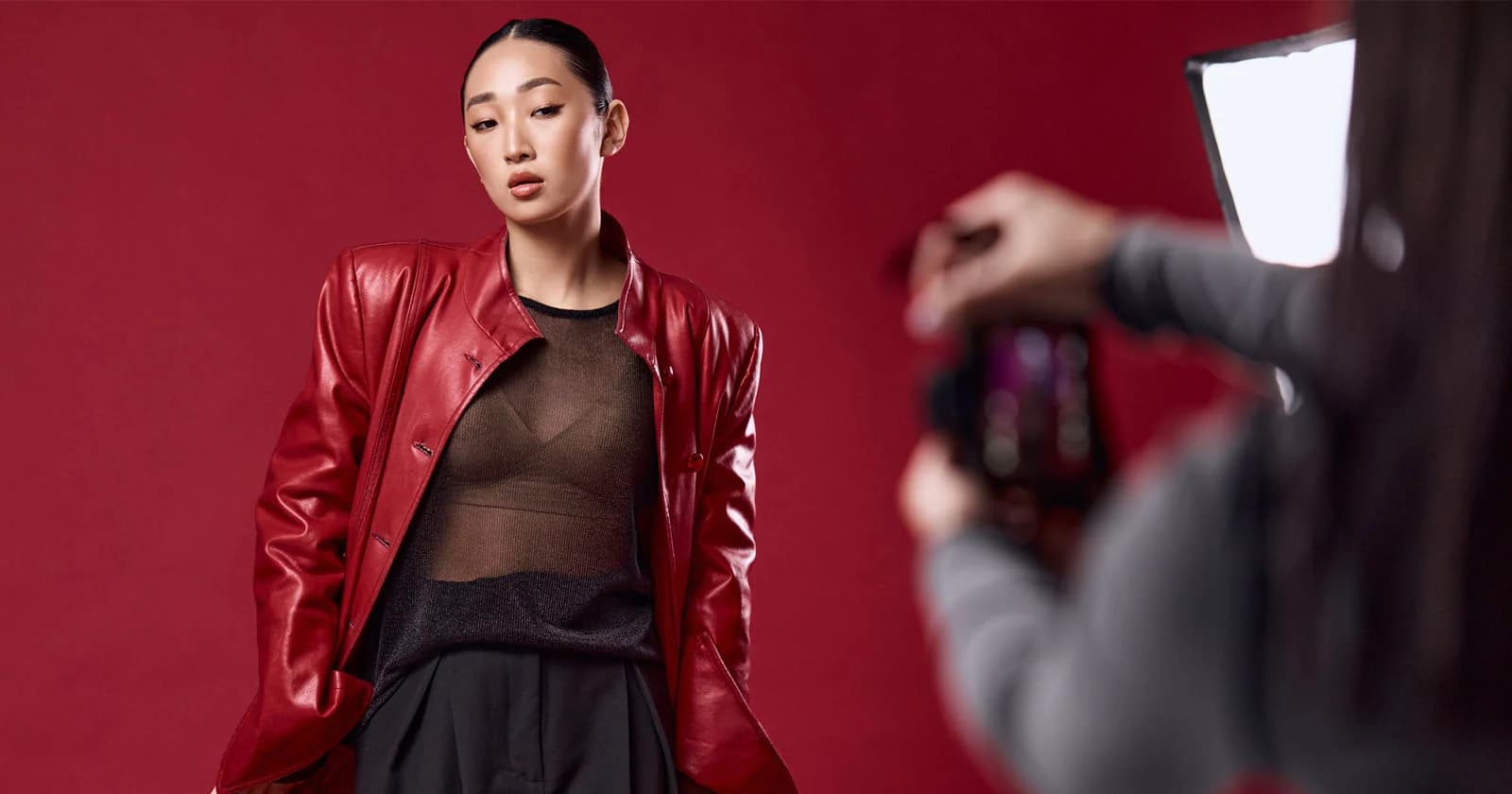
Photo Studios Are Closing as the Fashion Industry Embraces Generative AI

Fashion brands have long relied on physical photo studios - complete with photographers, lighting crews, set designers, and models - to produce the imagery that fills their websites, catalogs, and marketing materials. According to a Reuters report covered by PetaPixel, that pipeline is under serious pressure as more labels turn to generative AI to create product visuals, and some studios are closing as a direct result.

The primary driver appears to be cost. Generating AI imagery of clothing and accessories can be done at a fraction of the expense of a traditional shoot, eliminating line items for studio rental, talent, travel, and post-production retouching. For fast-fashion retailers and e-commerce brands managing thousands of SKUs per season, those savings are substantial enough to justify rethinking the entire production workflow.

The shift has been building for several years, as tools capable of placing garments on realistic synthetic models - or generating complete lifestyle scenes from text prompts - have matured considerably. Major fashion retailers have been quietly piloting and then scaling these approaches, and the cumulative effect on the broader studio ecosystem is now becoming visible. Smaller commercial photography businesses, which depend heavily on repeat fashion clients, are particularly exposed to the drop in demand.

The broader implications extend beyond studio owners. Photographers, stylists, models, and production coordinators who built careers around fashion shoots are facing a contraction in available work. How the industry balances the efficiency gains of AI-generated imagery against questions of creative quality, authenticity, and workforce impact remains an open and contested question - one that is unlikely to settle quickly as the underlying technology continues to develop.
Read at PetaPixel →
Share:X

Enjoy this story? Get the next one in your inbox.

Twice a week: the most important stories in generative image and video AI, distilled into a 2-minute read.

Free. Unsubscribe any time. No spam, ever.

Your next read

Canva Releases AI Image Generator That Wasn’t Trained on Photographs
Image

Canva Releases AI Image Generator That Wasn’t Trained on Photographs

Canva has launched its first in-house image generation model, with a notable distinction from most competitors: it was trained on design templates rather than photographs. The approach reflects Canva's design-first identity and sidesteps some of the copyright concerns that have surrounded photo-trained models. It positions the tool as purpose-built for graphic design output rather than photorealistic imagery.

Canva launches Craft, its first in-house image model
Image

Canva launches Craft, its first in-house image model

Canva has unveiled Craft, its first internally developed image generation model, marking a significant step away from the design platform's previous reliance on third-party AI providers. Craft is built to integrate natively with Canva's existing suite of tools, aiming to give users a more cohesive creative experience. The move signals Canva's intent to build deeper control over its AI capabilities rather than depending on outside models.

Canva launches Craft image model with 2K output and API
Image

Canva launches Craft image model with 2K output and API

Canva has introduced Craft, its own image generation model capable of producing 2K resolution outputs with planned layouts, multilingual text rendering, and editable elements. The model is accessible through Canva's Dream Lab interface as well as a public API. Craft appears designed to close the gap between raw AI image generation and practical design workflows.