Canva’s first AI image model plans designs before generating them

Canva has introduced its first proprietary image generation model, Canva Craft, marking a significant step beyond the company's previous reliance on third-party AI providers. Rather than generating an image in a single pass, Craft uses a two-stage process: it first produces an internal plan or layout for the design, then uses that plan to guide the final image output. The approach is intended to give the model better control over composition, consistency, and precision compared to single-stage generation methods.
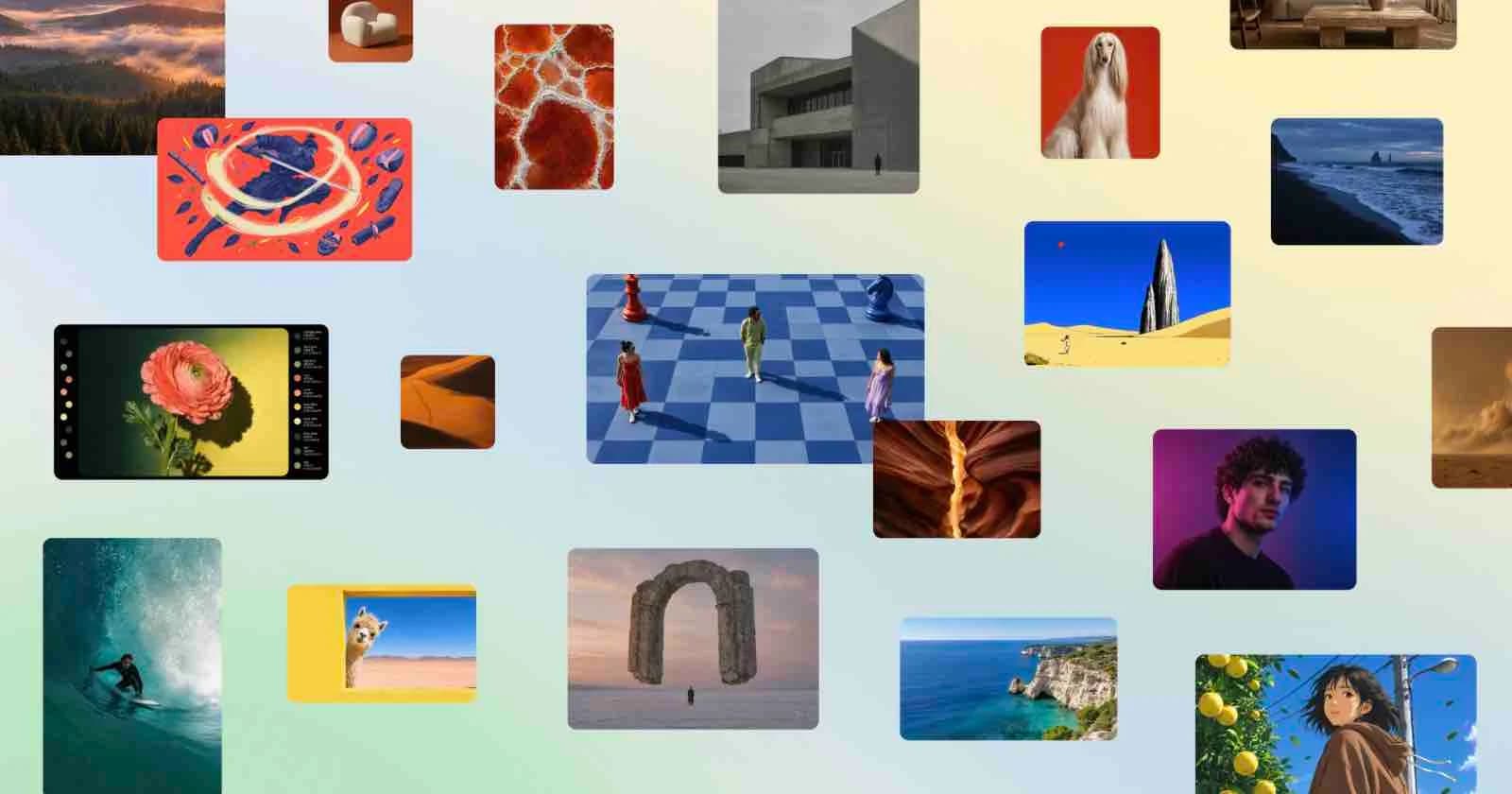
The model is capable of producing images at up to 2K resolution and supports more than 30 aspect ratios, making it flexible across the range of formats Canva users typically work with - from square social media posts to widescreen banners and vertical mobile content. Beyond marketing and social media use cases, Canva Craft is also designed to handle realistic photography-style scenes, digital illustration, environmental imagery, and other creative formats.
Building an in-house model is a notable move for Canva, which has historically integrated external models from partners into its platform rather than developing its own. Having a proprietary model gives the company more direct control over how the technology performs within its design tools, how it is tuned for specific use cases, and how it can be improved over time without depending on outside providers. It also positions Canva to compete more squarely with platforms like Adobe Firefly, which similarly runs on a model developed and trained internally.
The launch comes at a time when image generation is becoming a standard feature expectation across design software, and differentiation increasingly depends on how well a model integrates with a product's broader workflow. Canva Craft's planning-first architecture is the company's attempt to offer something more tailored to structured design tasks - where layout, hierarchy, and visual consistency matter - rather than purely open-ended image synthesis. Whether that approach proves meaningfully better in practice for Canva's core user base will likely become clearer as the model sees wider use.