Someone Rebuilt Free, Open-Source Versions of Photoshop, Premiere, and Lightroom Using AI
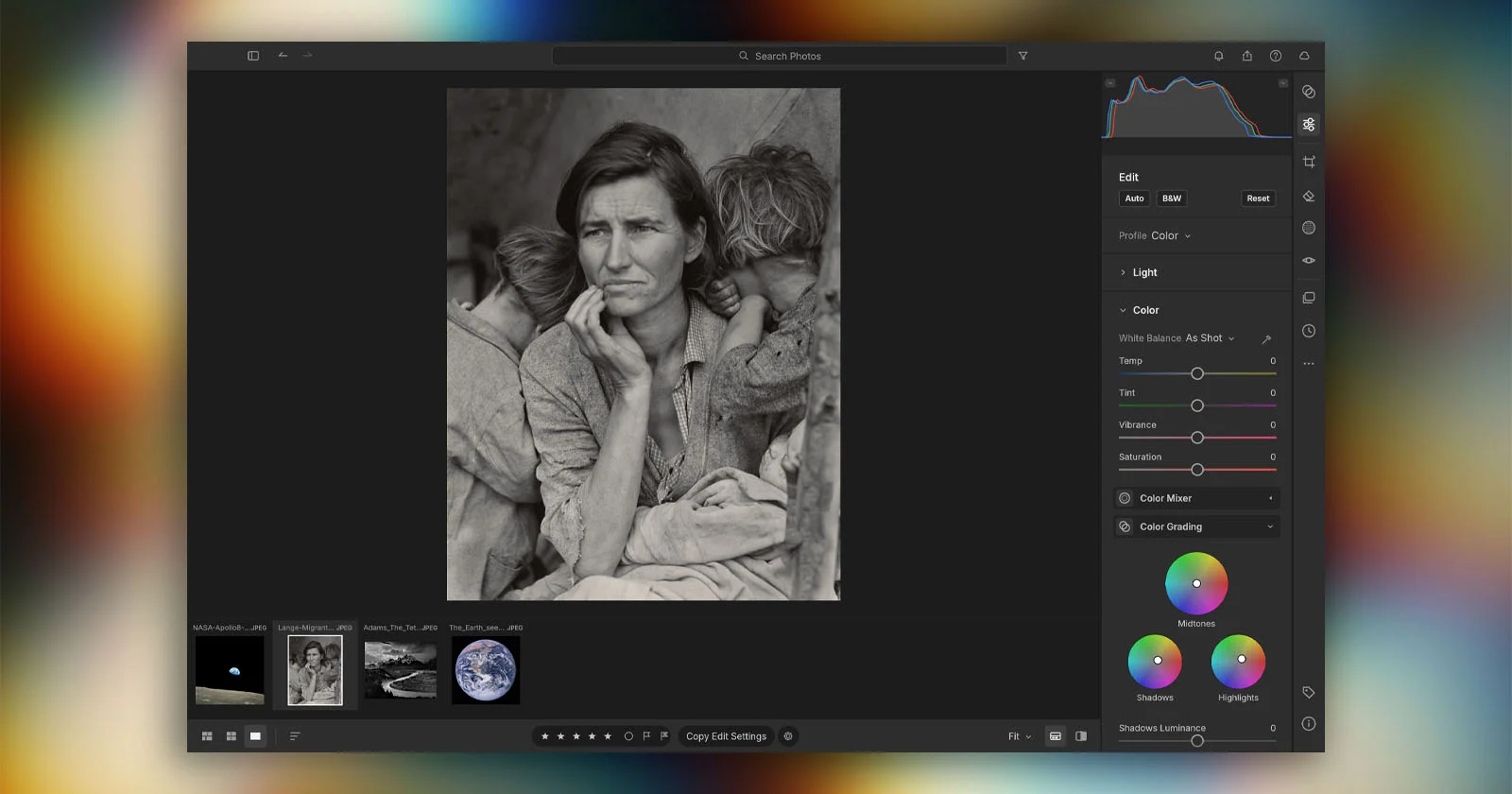
Brandon Thomas, a software engineer, has publicly released ArtCraft - a free and open-source suite of creative applications built to cover much of the same ground as Adobe's Creative Cloud. The lineup includes alternatives to Photoshop, Illustrator, Premiere, Lightroom (the non-Classic version), Acrobat, After Effects, and InDesign. All apps are available for macOS, Windows, and Linux, making the suite broadly accessible across platforms.
What makes this project notable beyond its scope is how it was built. Thomas used AI tools extensively throughout the development process, allowing a single engineer to produce what would traditionally require large teams and significant resources. The approach reflects a broader trend in software development where AI-assisted coding is compressing the time and effort needed to ship complex, feature-rich applications.
Open-source alternatives to Adobe products have existed for years - GIMP, Inkscape, Kdenlive, and Darktable among them - but they have historically struggled with usability gaps and fragmentation across tools. ArtCraft's approach of bundling everything under a single, cohesive banner could address one of the main friction points for users considering a switch: the lack of a unified experience. Whether the individual apps hold up to professional workflows remains to be seen, but the ambition of the project sets it apart from previous efforts.
For photographers, designers, and video editors feeling the pressure of Adobe's subscription pricing, ArtCraft offers a timely option worth evaluating. The open-source nature of the project also means the community can contribute improvements over time. How well each application performs relative to its Adobe counterpart will likely determine whether ArtCraft gains lasting traction or remains a proof of concept for what AI-assisted solo development can produce.